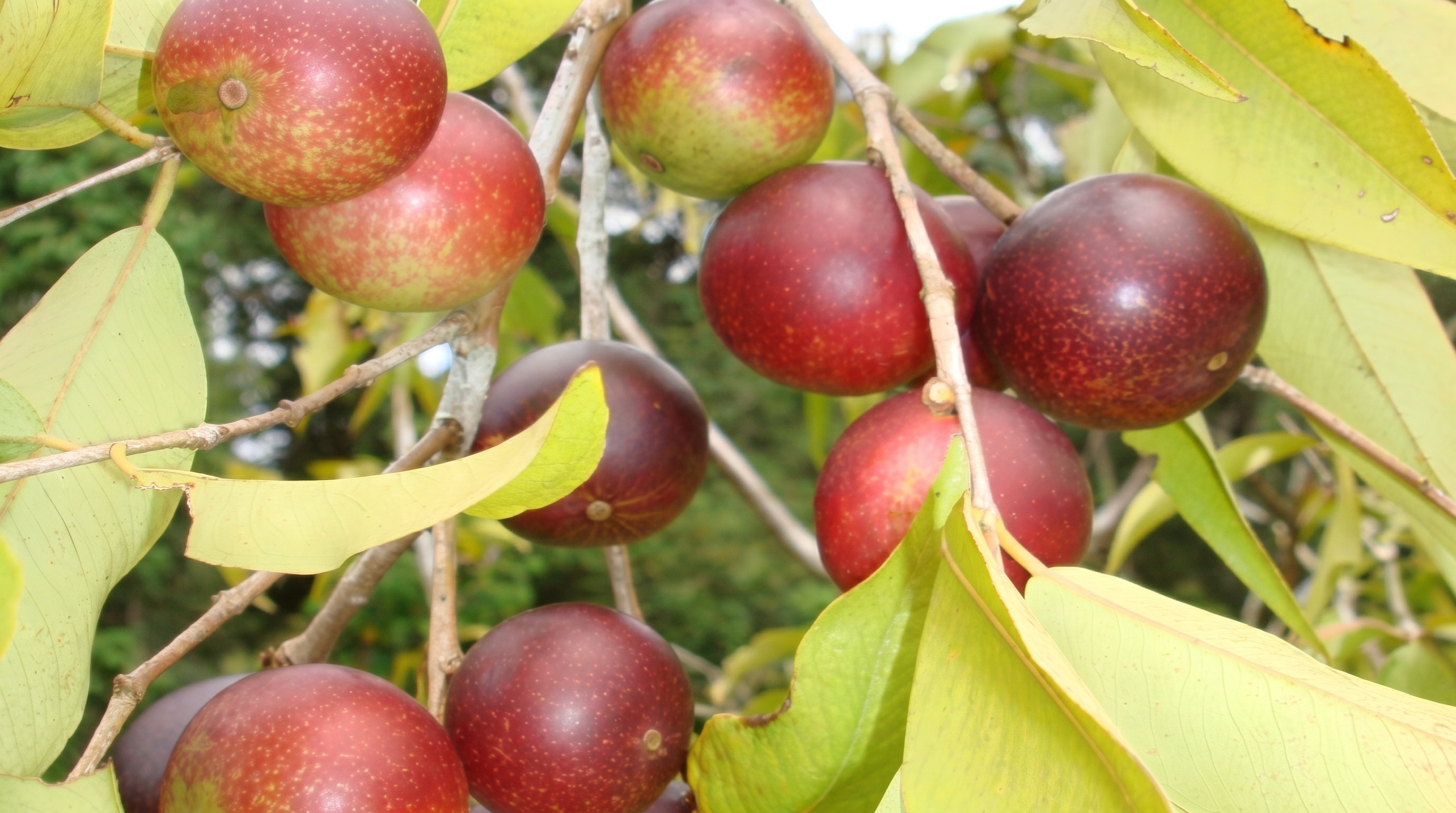
Camu-camu: the fruit with 20 times more vitamin C than orange
Native to the Amazon, camu-camu concentrates vitamin C, but has little space in the fruit market. Read on Gazeta do Povo.
TL;DR
- Camu-camu is the fruit with the highest vitamin C content in the world, with 2,606 mg per 100 grams.
- It contains three times more vitamin C than acerola, 20 times more than orange, and 30 times more than lemon.
- The fruit is rich in antioxidants, which help prevent cardiovascular, circulatory, and cancerous diseases, as well as slowing aging and reducing chronic conditions like diabetes and hypertension.
- Camu-camu naturally grows on the banks of rivers and lakes in the Amazon, often in 'black waters'.
- It can also be cultivated on terra firme and adapts to tropical climates, not being demanding about acidic or low-fertility soils, but requiring fertilization and soil correction.
- Research on camu-camu at Inpa began in 1980, focusing on propagation, cultivation, and processing.
- Despite its nutritional value, its use is limited among Amazonian residents, sometimes serving as a snack or fish bait.
- Cultivation involves sowing, transplanting seedlings, and planting in prepared pits; the first harvest occurs about three years later.
- Estimated productivity can reach ten tons per hectare per year.
- The fruit's high acidity makes it less suitable for raw consumption but ideal for processed products like juices, ice cream, jams, and liqueurs.
- Frozen pulp is an effective way to commercialize camu-camu for distant markets and extends its shelf life.
- The price of camu-camu ranges from R$ 100 to R$ 130 per kilogram in major distribution centers like Ceasa in Paraná and Ceagesp, while in Manaus markets, it costs around R$ 10 per kilogram.