What the Facades of Brazilian Palaces Reveal About Power
Check out the Gazeta do Povo report on how architecture has changed the image of power in Brazilian palaces.
TL;DR
- The Palácio Iguaçu in Curitiba, inaugurated in 1954, marked a departure from traditional ornate government buildings with its modern glass and concrete facade.
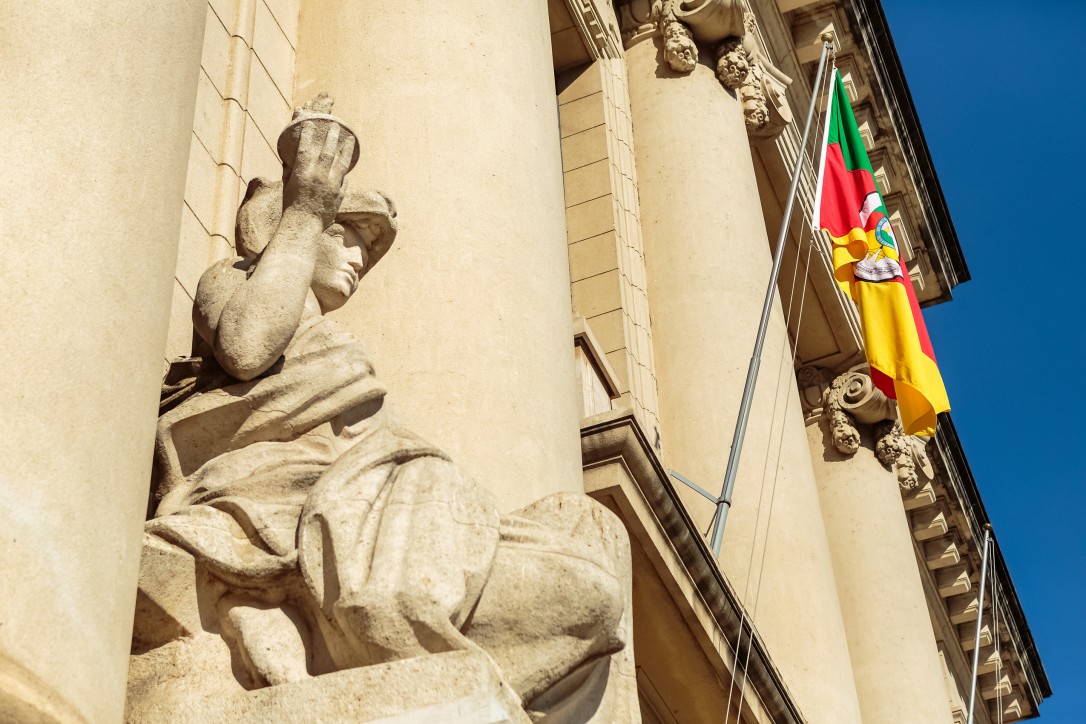
- Early Republic government palaces, like Palácio da Liberdade in Belo Horizonte and Palácio Piratini in Porto Alegre, adopted classical and neoclassical styles inspired by ancient Greek and Roman architecture to project authority.
- The Palácio Iguaçu embraced modern architecture, emphasizing geometry and structure over ornamentation to express power.
- Later constructions, such as Brasília's Palácio da Alvorada and Palácio do Planalto, and the Cidade Administrativa Presidente Tancredo Neves, further pushed modern design, utilizing advanced engineering and large-scale structures to signify technological capability and architectural landmarks.
- Artistic elements, from sculptures to murals, have consistently been incorporated into government palace designs across different architectural eras, linking the state's image to prosperity, progress, and historical narratives.