Brazilian Dinosaur Fossil Preserves Traces of Blood, Study Indicates
A 115-million-year-old Brazilian dinosaur fossil revealed heme and red blood cell-like structures.
TL;DR
- Microscopic structures resembling red blood cells and heme-derived molecules were found in a 115-million-year-old dinosaur fossil from Brazil.
- Chemical analyses detected heme B, a component of hemoglobin responsible for oxygen transport, and mineralized cellular structures within vascular channels.
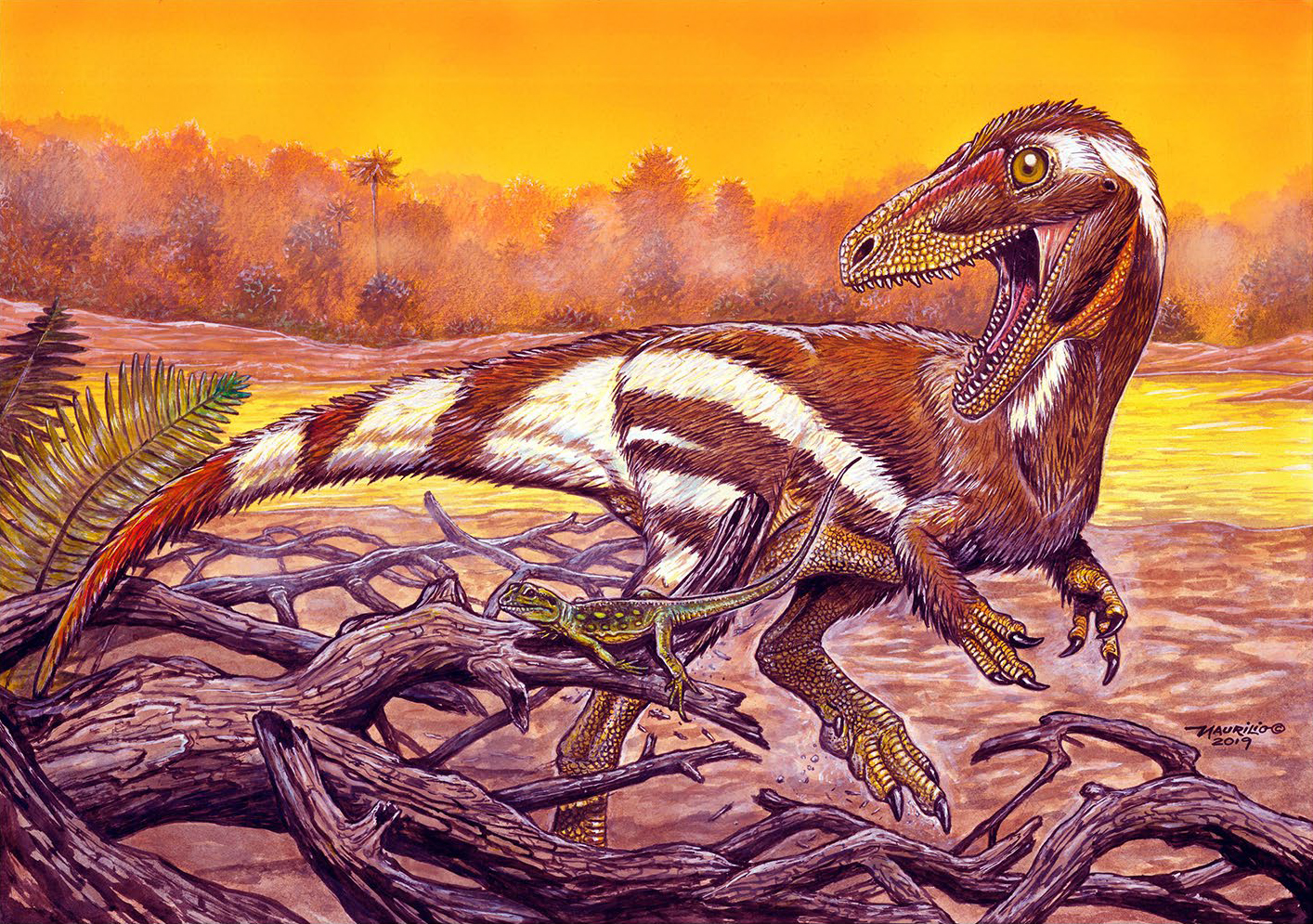
- The *Aratasaurus museunacionali* fossil, discovered in Ceará, lived during the Cretaceous period.
- Exceptional preservation is linked to rapid burial in an anoxic environment, aided by manganese oxide minerals.
- While DNA was not found, the study challenges assumptions about the disappearance of certain biomolecules over millions of years.